
Granville Heating & Cooling is a full service contractor who specializes in residential and commercial HVAC repair and installation.
One of the most important things we want to give our customers is peace of mind. A quality furnace, heat pump or air conditioner, installed correctly is our job. In addition to a proper installation, the other way to ensure years of hassle-free continued operation of your heating and cooling system is regular maintenance and inspection. As homeowners ourselves we understand, it’s easy to neglect and overlook something like a furnace that tirelessly works in the background of your life. And, as modern furnaces continue to improve efficiency and quiet operation, we tend to relax and believe what works will continue to work. But this is unfortunately a fallacy for most complex machinery, as any of us that own cars or computers know. Even the most “trouble free” system needs maintenance, and regular inspection is the single best way to avoid costly and inconvenient repairs.
Monthly or bi-monthly filter change with a quality filter is something the homeowner should never neglect on a modern furnace, and in addition we highly recommend a spring/fall inspection/maintenance to ensure your system is working correctly and will give you decades of comfort. We recommend a yearly furnace inspection (usually in the fall) and a spring inspection of your air conditioner or heat pump. So what do we do for your system? In short, clean, inspect, measure and test all of its components and functions to ensure safe and reliable operation. A damaged or malfunctioning furnace can fail, but it can also be a safety hazard and cost you each month, possibly even a costly repair due to negligence. It’s very important to do periodic maintenance, and these inspections require the equipment and expertise of a licensed HVAC professional to complete.
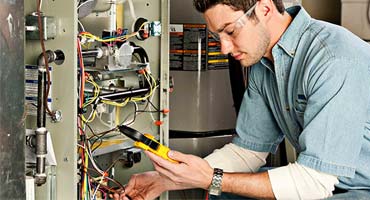 Each inspection/maintenance checks the following:
- Check & clean furnace ignition system
- Check for proper combustion
- Check blower operation
- Check area around furnace for hazards
- Check and replace filters and clean electrostatic filters
- Check exhaust vent system
- Check duct work for leaks and accumulations of dust and debris
- Check supply air system
What should I do if my furnace is not working?
If your furnace is no longer working, first off, don’t panic! Most homes only lose one or two degrees of temperature per hour, even when the temperature outside is at zero degrees or below. You will have some time to protect from a dangerous situation, frozen pipes, etc.
Don’t Endanger Your Family! Improvised heating devices should be used with caution. Portable electric heat can be a viable alternative, but be cautious with kerosene (read and understand the operation manual, and maintain and service your heater regularly)…and always use in conjunction with a Carbon Monoxide tester to keep you and your familiy safe. Propane and gas heaters should never be used inside of a home, due to emissions. Remember, Carbon Monoxide is odorless and tasteless, by the time you’ve noticed something wrong, you’re already subjecting yourself to dangerous levels of gas.
If you smell gas (usually a rotten egg smell which is added by the gas utility or propane supplier for this very purpose), leave the home at once and call your gas supplier’s emergency number. If your furnace is emitting flames or showing any overtly dangerous behavior, shut the furnace off immediately and call a licensed furnace repair service at once.
If you have lost power to your home, call your energy company’s toll free number and report the outage. Remember, without electricity your furnace will not provide heat, so wait until your power is restored before relying on it to warm your home.
Worst Case Scenarios – Although it’s unlikely, a major failure may mean that your furnace needs to be replaced or the power may be out for more than 24 hours. If that should occur, you may have to move yourself and your family to warmer surroundings. If you must vacate your home while repairs are made, call a plumber before you leave and have him shut off the water and drain your internal plumbing to prevent burst pipes if the temperature drops too low.
If You’re Out of Town – Before traveling in the winter months, you should arrange for someone to check your home once a day. A power or furnace failure while you’re out of town can be a disaster. Having someone make a daily house check allows necessary repairs to be done before any damage occurs. Make sure that person knows how to contact you when you’re away.
Before calling for service due to a non-working furnace, here are some things to check
- Make sure the thermostat is set to “Heat” and the temperature being called for is higher than ambient room temperature.
- If your thermostat runs on batteries (many do, requiring the cover or access panel to be opened), change them to assure they’re not weak.
- Check that the gas is turned on, or if you heat with propane or fuel that the tank is supplied (propane users: Often more than 20% capacity is needed to supply enough pressure to operate a furnace).
- Check that the furnace switch is turned on (often located directly next to or on the furnace itself).
- Check the panel for the furnace, and observe any flashing lights that may be visible through the service panel window (usually a small plastic window, about the size of a 50 cent piece). Do not remove the cover, as this will reset the codes and may complicated diagnoses.
- Check/change filter and check that there is no obstruction of vents or registers in the home (open all of them, if possible).